Flippa Review – Is It Legit or a Scam? Full Breakdown
Thinking about buying or selling an online business? Flippa is one of the most well-known marketplaces for digital assets — but is it actually legit, or should you be worried about scams? In this honest review, we break down exactly how Flippa works, what the fees look like, what real users are saying, and whether it's the right platform for you. You can try Flippa for free and browse listings before committing to anything.
1. What Is Flippa?
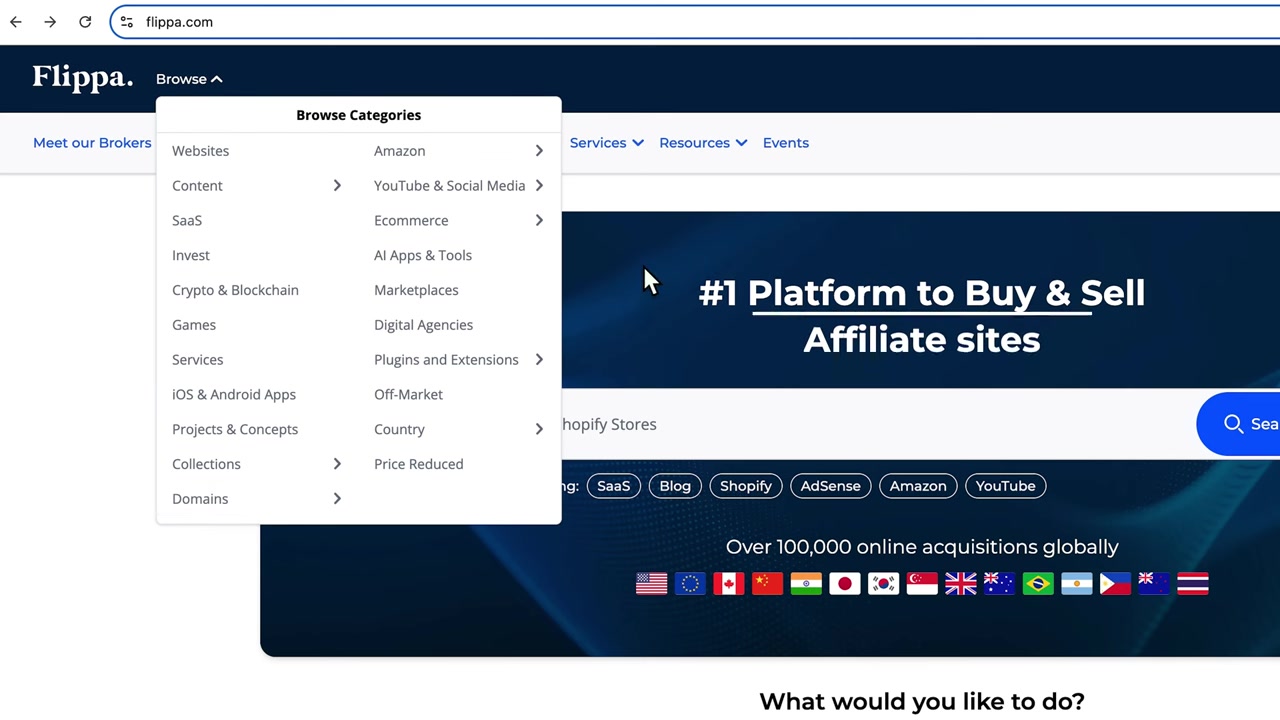
Flippa is essentially an online marketplace for digital businesses — think of it like Amazon, but instead of products, people are buying and selling entire businesses.
The platform focuses on digital assets, including:
- Websites and content blogs
- SaaS (Software as a Service) products
- E-commerce stores (Shopify, Amazon FBA)
- Mobile apps (iOS and Android)
- Domain names
Flippa has facilitated over 100,000 online acquisitions globally — across the US, Canada, Europe, Australia, Asia, and beyond. That's a genuinely impressive track record for a marketplace in this niche.
2. How Flippa Works for Buyers and Sellers
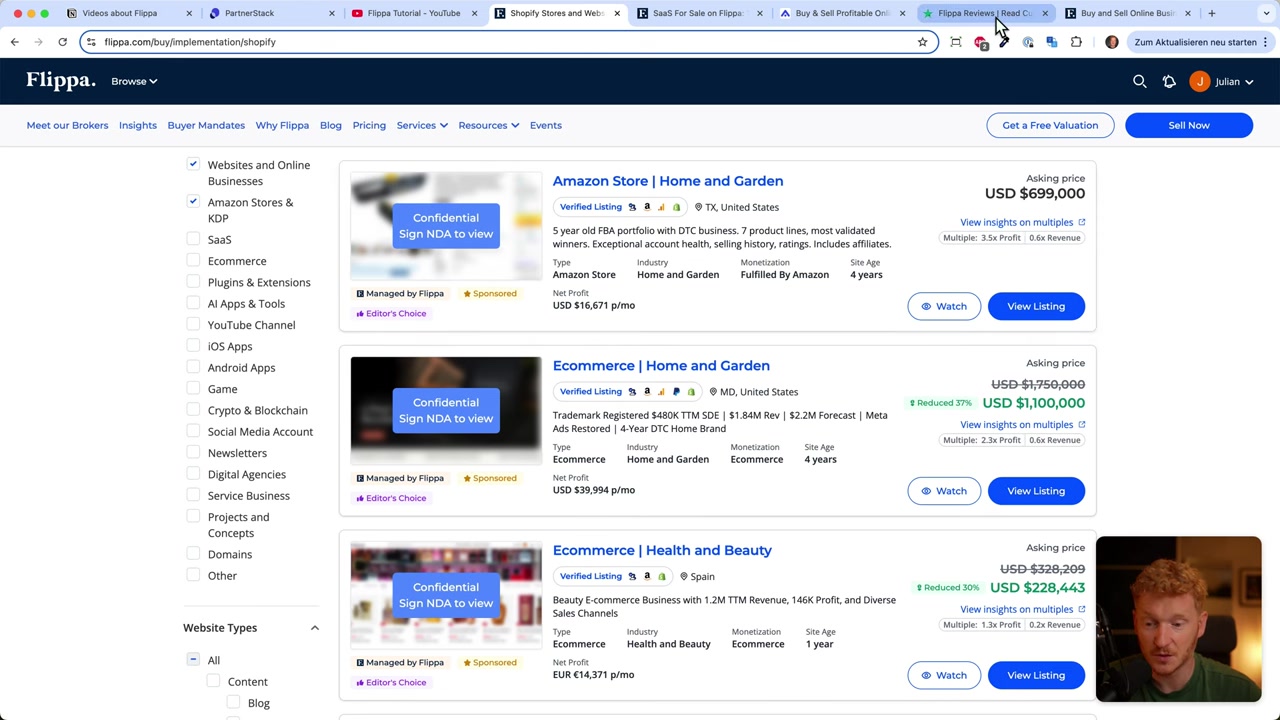
The process is straightforward. As a seller, you create a listing for your business and provide financial data, traffic stats, and other relevant information. As a buyer, you browse listings filtered by business type, revenue, and asking price.
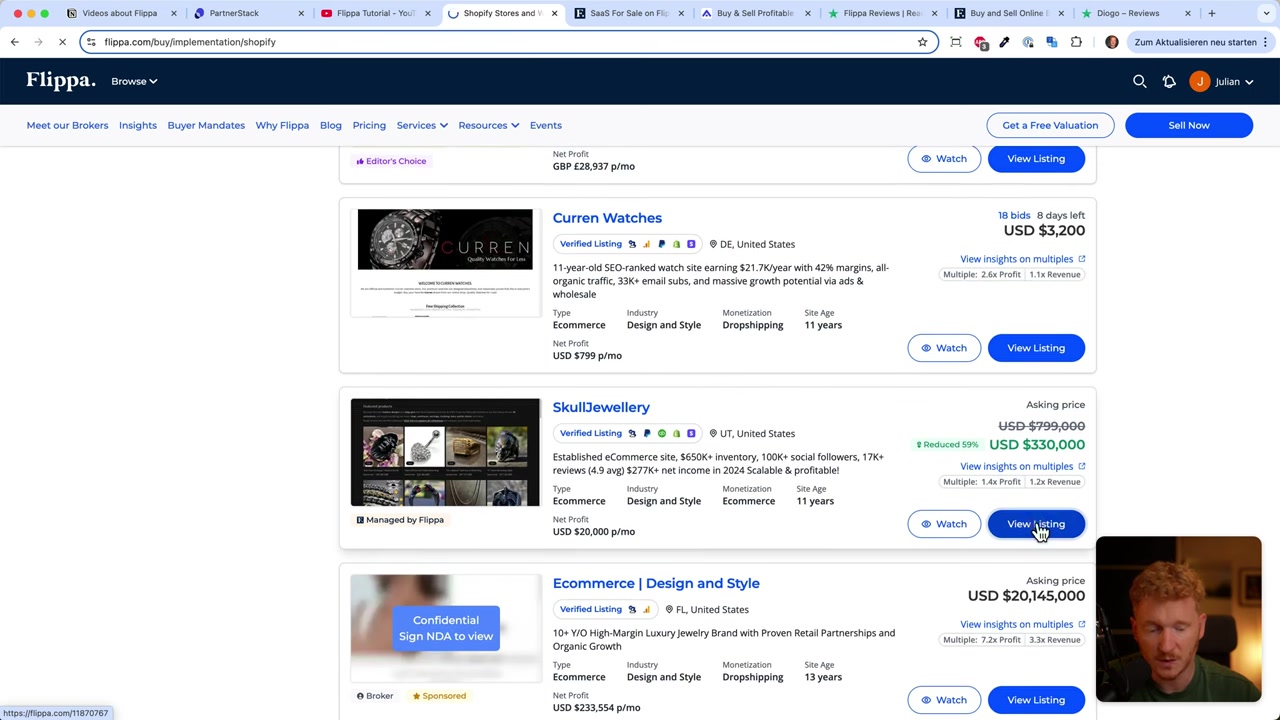
When you find a listing that interests you, you can sign an NDA (Non-Disclosure Agreement) to unlock the full picture — including SEO data from SEMrush, Shopify/Amazon dashboards, and bookkeeping data from tools like QuickBooks.
Flippa also offers a premium tier (around $50) that gives you access to additional data points like domain authority, backlink profiles, and keyword rankings. This can be very useful before making a significant purchase decision.
3. Flippa's Services: Brokerage, Escrow, and Financing
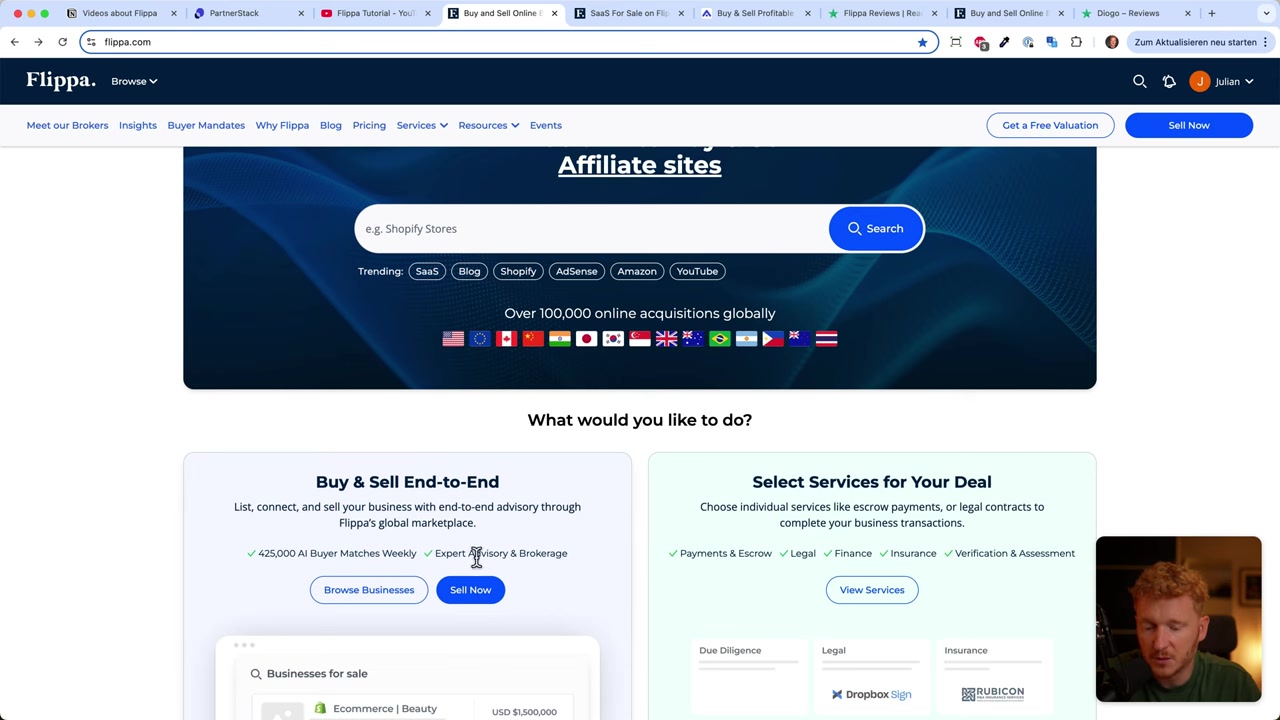
Flippa isn't just a listing site — it offers a full suite of services to support the deal:
- Brokerage advisory — Flippa has brokers around the world (US, Europe, Asia, Australia) who can guide you through the process.
- Escrow service — Secure payment handling so neither party loses money mid-transaction.
- Legal support — Assistance with merger and acquisition documents.
- Financing — If you don't have the full purchase price, Flippa can connect you with lenders.
- Insurance — Protection in case something goes wrong with the deal.
- Due diligence — Verification and assessment services to help you evaluate a business properly.
This makes Flippa quite a comprehensive platform, especially for first-time buyers who may not know how to structure a business acquisition on their own.
4. What Do Trust Pilot Reviews Say About Flippa?
Trust Pilot reviews for Flippa are polarized — you'll see a lot of five-star reviews and a fair number of one-star reviews, with very little in between. This is actually a common pattern for high-stakes marketplaces.
Many of the five-star reviews come from accounts with only one review, which makes them hard to fully trust. That said, some verified users with multiple reviews do report genuinely positive experiences selling their websites.
The one-star reviews tend to fall into a few categories:
- Frustration with upfront listing fees
- Personal issues (e.g., an assigned broker was on vacation)
- Account suspensions, sometimes without clear explanation
- Vague complaints without specific details
In short: the negative reviews are rarely about Flippa being fundamentally fraudulent. Most are about frustrating individual experiences — which can happen on any large platform.
5. Is Flippa Legit? Scam Risk and Due Diligence
Flippa itself is a legitimate and established platform. It's been operating for years and has facilitated a massive number of real business transactions worldwide.
However, the listings on Flippa can vary in quality. Because businesses often sell for hundreds of thousands or even millions of dollars, the platform naturally attracts scammers trying to misrepresent their assets.
Here are some practical tips to protect yourself:
- Always review the financials in detail — check Shopify, Amazon, Stripe, and QuickBooks data.
- Verify social media audiences — look at follower quality, not just follower count. Are the followers actually relevant to the niche?
- Use Flippa's escrow service — never transfer money outside the platform.
- Sign the NDA to access full business data before making any decisions.
- Do your own due diligence — Flippa provides the data, but you need to interpret it.
The platform gives you the tools to evaluate a business properly. What you do with those tools is up to you. Try Flippa for free and explore current listings before making any commitments.
6. Flippa Fees: What Does It Cost?
Flippa charges fees at different levels depending on the services you use. There is a basic listing fee to publish your business for sale. For more visibility and support, you can upgrade to paid packages.
The Flippa Premium tier costs around $50 and unlocks additional data like SEMrush SEO metrics, domain authority scores, and backlink reports — useful for buyers doing serious research.
For sellers, there's also a success fee taken as a percentage of the final sale price. If you use the brokerage service, a premium package starting around $900 includes a dedicated broker. Keep in mind that brokers are real people — so experiences can vary depending on who you're assigned.
7. Flippa vs Acquire.com – Which Should You Use?
The two most widely used platforms for buying and selling online businesses are Flippa and Acquire.com (formerly MicroAcquire). Both are legitimate options.
Flippa tends to have a broader range of listings — from small websites to multi-million dollar businesses. It also offers more end-to-end services like financing and insurance.
Acquire.com is generally considered more curated and focused on SaaS businesses, often attracting more serious, vetted buyers. It can be a better fit if you're selling a software product.
The best approach? Browse both platforms and see where you find listings (or buyers) that match what you're looking for. There's no rule against exploring both simultaneously.
8. Is Flippa Good for Beginners?
Flippa can work well for beginners, but it does require a learning curve. The platform provides a lot of data, and knowing how to read and interpret that data is crucial before spending significant money.
If you're a first-time buyer, consider starting with lower-priced listings to understand the process. Use the broker and escrow services rather than trying to navigate the deal entirely on your own.
If you're a first-time seller, make sure your financials are clean and well-documented. Listings with transparent data tend to sell faster and at better prices.
9. Flippa Pros and Cons
Pros:
- Large marketplace with 100,000+ completed acquisitions
- Wide variety of business types (e-commerce, SaaS, apps, domains)
- Comprehensive services: escrow, brokerage, financing, insurance
- Detailed listing data including SEO metrics and financial dashboards
- Global network of brokers
Cons:
- Listing fees and success fees can add up
- Quality of listings varies — scam listings do exist
- Broker quality is inconsistent (people-dependent)
- Trust Pilot reviews are polarized, making reputation hard to gauge
- Requires significant due diligence on the buyer's side
Frequently Asked Questions
Is Flippa a legitimate website?
Does Flippa charge fees to list a business?
Can you get scammed on Flippa?
What types of businesses can you buy on Flippa?
How much does Flippa Premium cost?
Does Flippa offer an escrow service?
Is Flippa good for selling small websites?
What is the difference between Flippa and Acquire.com?
10. Disclosure
Some links in this post may be affiliate links. If you use them, I may earn a commission at no extra cost to you. All content is provided for informational purposes only — no guarantees are made regarding outcomes. Nothing in this post constitutes financial, legal, tax, or investment advice.
Related Articles

28 Oct 2025
How to Create a TikTok Ads Account in 2026
Want to run ads on TikTok but not sure where to start? Setting up your TikTok Ads Manager account is easier than you think — and it only takes a few minutes. In this guide, I'll walk you through the e...

15 Dec 2025
Wix Promo Code 2026 – How to Save on Wix Premium Plans
If you've been thinking about upgrading to a Wix premium plan, timing your sign-up the right way can make a real difference. In this guide, I'll walk you through the exact method to access the best av...

26 May 2026
How to Add Signature in Gmail (Tutorial 2026)
Want to make your emails look polished and professional? A well-designed Gmail signature can make a huge difference. In this tutorial, Julian Weber walks you through everything — from creating a basic...